
GLP-1 treatment guides
Educational resources on GLP-1 medication options for weight management, reviewed by licensed providers.
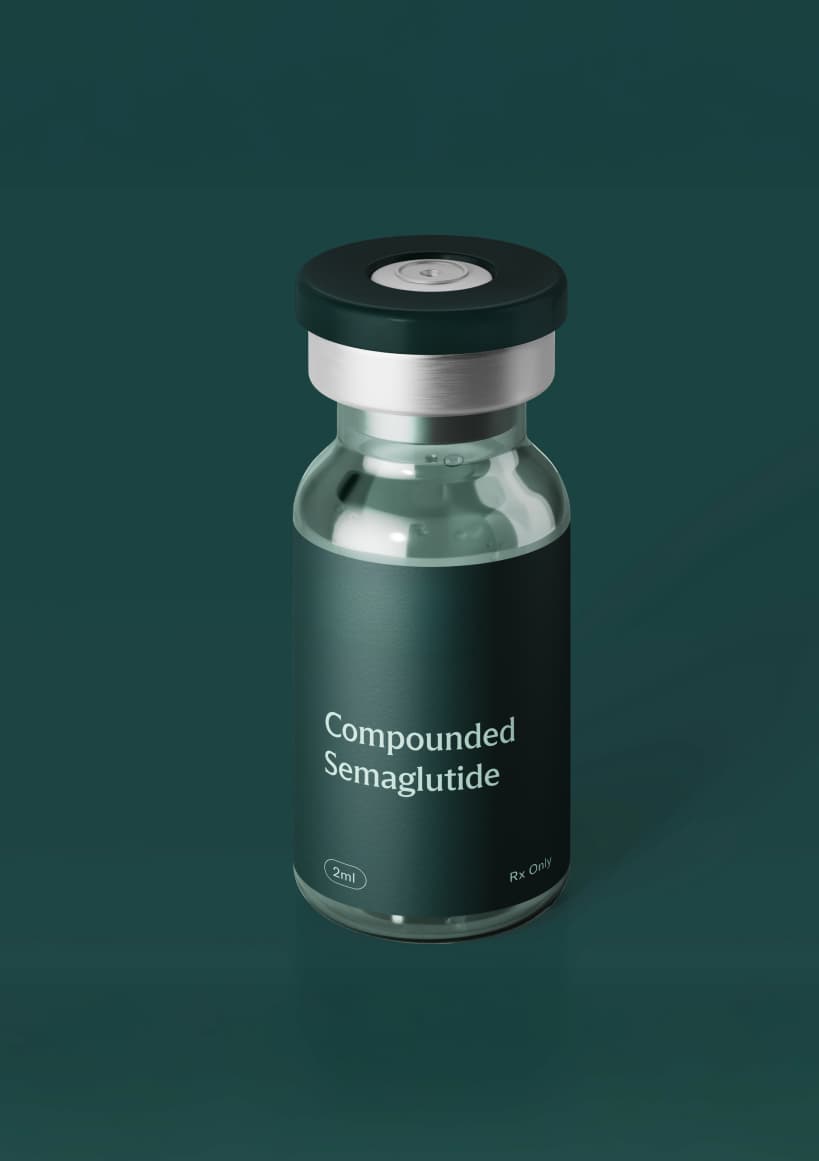
What is GLP-1 and how does it help with weight management?
Glucagon-like peptide-1 (GLP-1) is a gut hormone that regulates appetite and blood sugar levels. GLP-1 receptor agonist medications like semaglutide and tirzepatide mimic this hormone to support weight reduction.
The goal is not endless browsing. Use these pages to clarify one question, then jump into the quiz once you have context.
Primary action
Use these pages to reach the quiz with intent.
A better SEO page does not stop at informing. It should move the patient into a more qualified evaluation.
Start evaluationWhat is GLP-1 and how does it help with weight management?
Glucagon-like peptide-1 (GLP-1) is a gut hormone that regulates appetite and blood sugar levels. GLP-1 receptor agonist medications like semaglutide and tirzepatide mimic this hormone to support weight reduction.
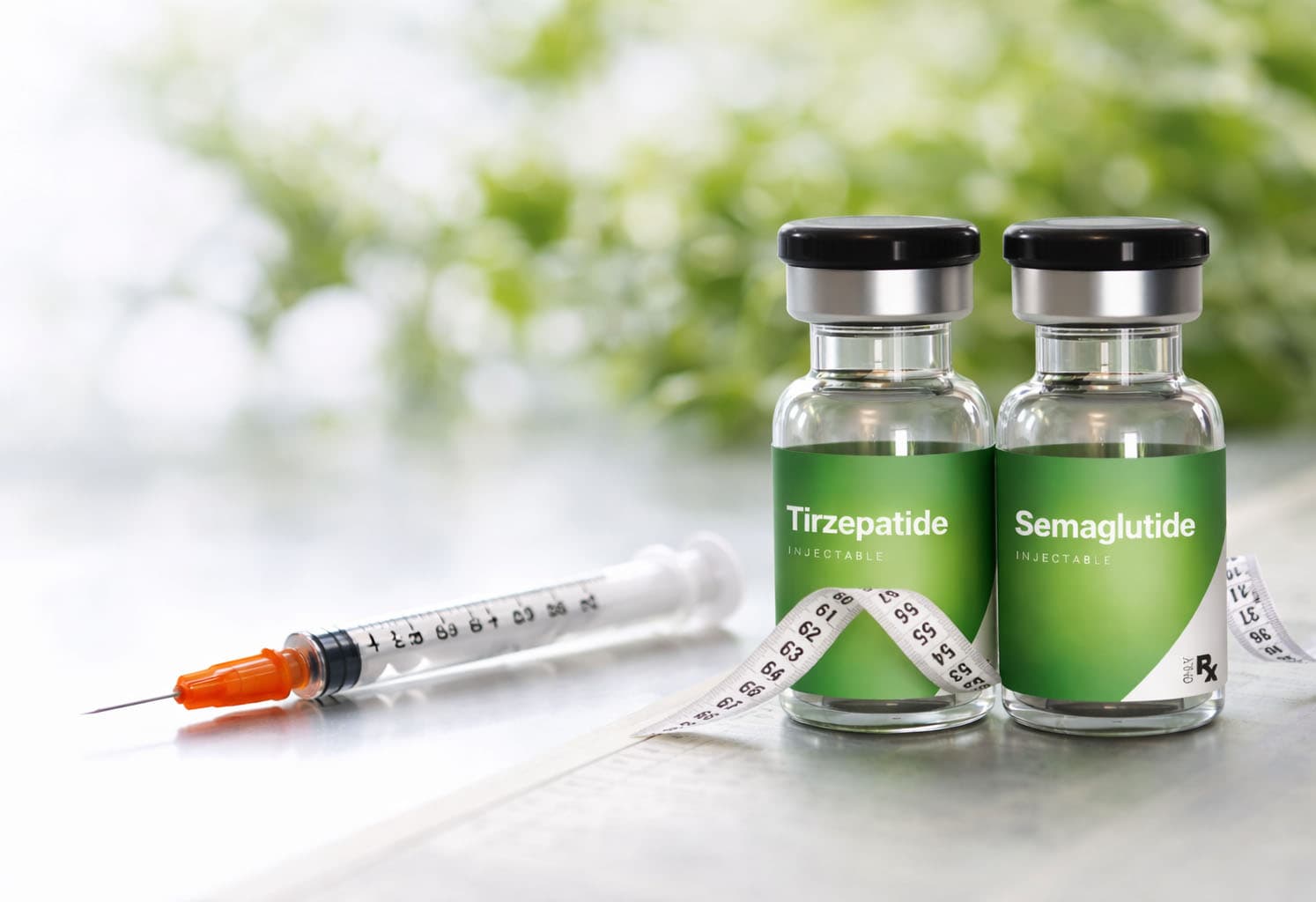
GLP-1 injections: how they work for weight management
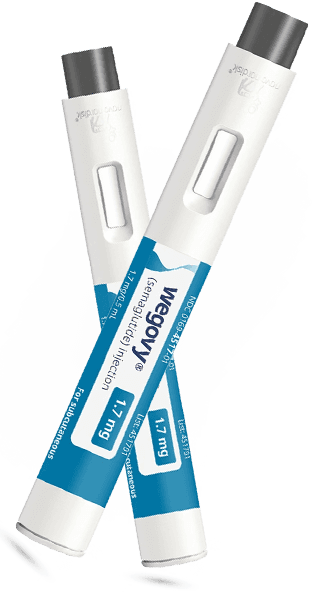
Subcutaneous GLP-1 receptor agonist injections are the most established delivery method for semaglutide and tirzepatide in weight management treatment.
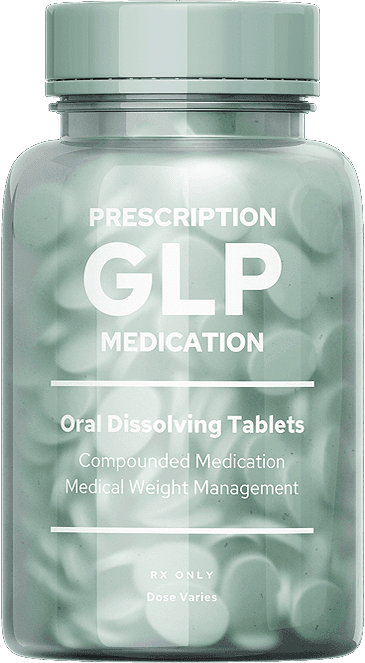
GLP-1 pills: oral semaglutide for weight management
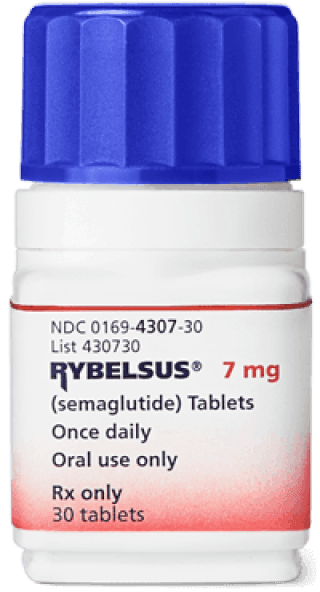
Oral semaglutide offers an option for patients who prefer to avoid injections. This format is available in certain brand presentations and access may vary.
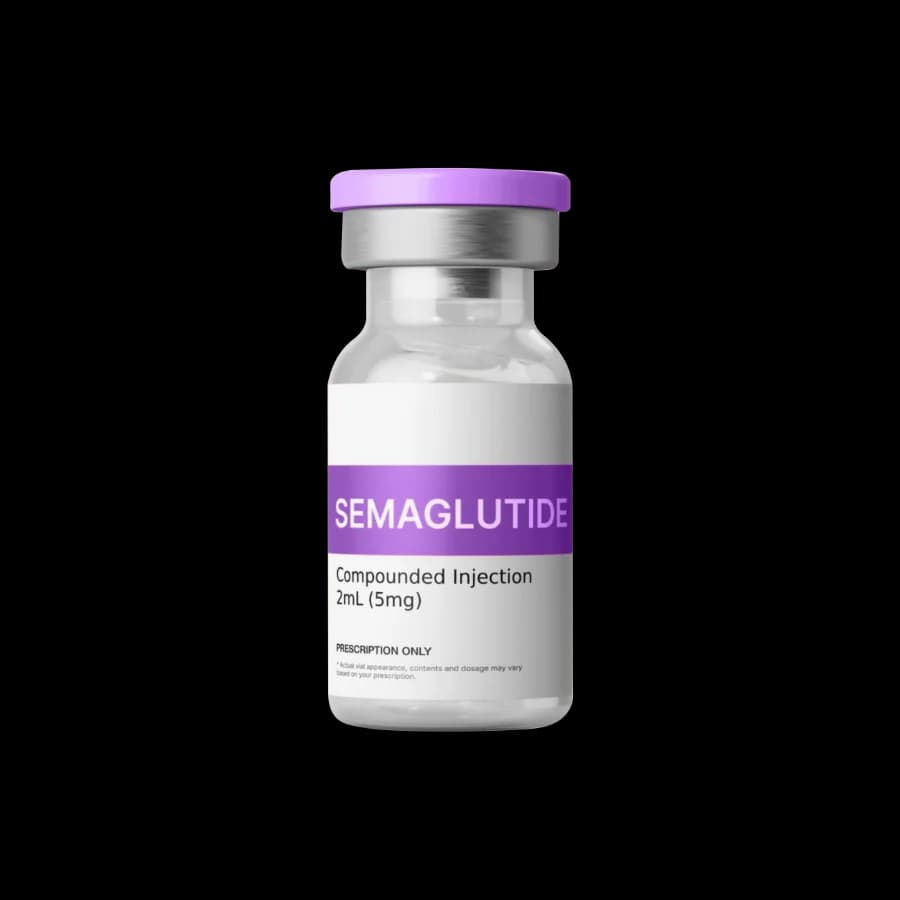
Semaglutide online: medical evaluation from home
Telehealth makes it possible to access medical evaluation for semaglutide from home. The process includes review by a licensed provider who determines if treatment is appropriate.
Tirzepatide online: medical evaluation from home
Tirzepatide is a dual GIP/GLP-1 agonist available through online medical evaluation. A licensed provider reviews each case before any prescription.
Oral semaglutide: tablet format and when it enters the conversation
Patients often ask about oral semaglutide when they want a route that feels simpler than an injection. This guide explains that context, the difference between oral and injectable formats, and why evaluation still decides what is appropriate.
Stopping semaglutide: what patients usually want to understand first
Patients usually ask about stopping semaglutide when cost, side effects, access, or goal weight changes. The useful conversation is not only whether to stop, but how to protect maintenance with clinical follow-up, nutrition, activity, and a clear next-step plan.
Semaglutide maintenance dose: what happens after the starter phase
A maintenance dose is the dose a provider considers after the initial step-up period. It is not a shortcut or a fixed promise. The real discussion depends on tolerance, clinical response, follow-up, and the product or route being reviewed.
Long-term GLP-1 use: what to understand about maintenance and follow-up
Weight management is often treated as a long-term conversation rather than a short sprint. That is why patients commonly ask how long GLP-1 treatment lasts, what maintenance means, and how follow-up changes once meaningful results start to appear.